In 2025, I hired a pre-sale inspector before listing my West Seattle home. He met with me to review findings, and he led with: "Well of course the biggest issue is the knob and tube." I stared at him. We'd lived there seven years. Three professionals had been through the walls. Nobody caught it. We wouldn't be able to avoid disclosing it and were going to need to fix it if we stood a chance of getting an offer.
When I bought the 1940s home in 2018, the listing said "newer systems including electrical." Our inspector didn't flag anything. We closed, renovated — including electrical work — and lived there seven years without knowing what was inside the walls.
$12,000. That's what it cost to remediate the knob-and-tube that three professionals missed. $12,000 we had to spend on top of every other selling expense, because nobody cross-referenced two public records.
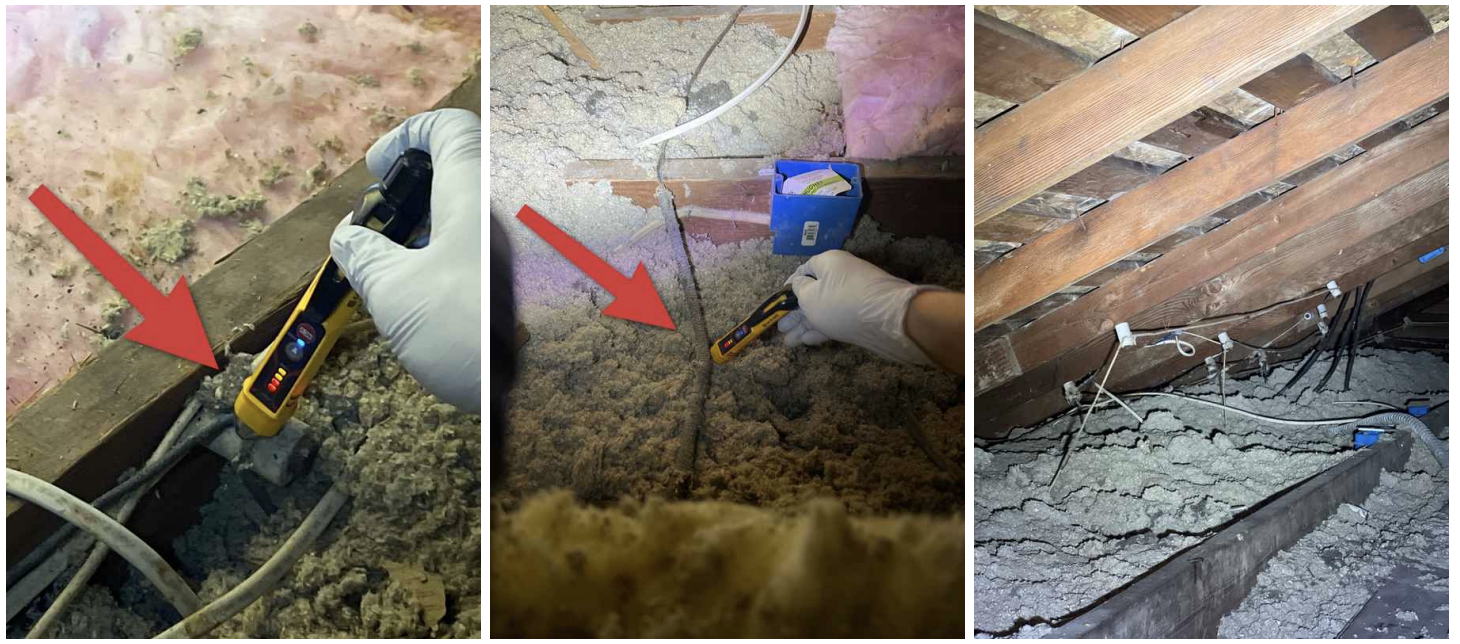

Two records. One inference.
Here's what gets me. King County's assessor page says the home was built in 1940. The city's permit database shows no full electrical rewire permit on file. Ever.
A 1940 home with no rewire permit almost certainly has knob-and-tube behind the walls. Two public records, one inference — and it would have changed our offer, our inspection scope, and saved us $12,000.
Nobody made that connection for us. The data was right there.
It wasn't the only time
When searching for our next home, my husband and I looked at dozens of houses. Unpermitted renovations. Landslide-prone slopes. Homes adjacent to wastewater treatment plants. We built our own research system to pull public records for each property. It felt like a full-time job, and an expensive one.
We finally offered on a beautiful Victorian. That night at 9pm, our agent called. Buried oil tank. $48,000 state remediation on record. I woke up at 2am and rescinded the offer. That record had been sitting in a public database the whole time.
The home we finally bought? Cosmetic updates over original plumbing. It failed within days of moving in. Nearly $200,000 in damage.
The pattern
I kept asking myself: am I just unlucky?
No. The problem is structural. Home inspections are visual assessments — three hours, accessible areas only. Your inspector doesn't pull permits. They don't cross-reference build year against electrical history. They don't check geological hazard maps.
And the market moves too fast for you to do it yourself. You get days to decide on a half-million-dollar purchase. The data was public the entire time — sitting in county assessor records, permit databases, EPA contamination logs, FEMA flood maps. Nobody connected it when you actually needed it.
I worked at Zillow. If this happened to me — someone with data industry experience and access — it's happening to everyone.
What I built
CaveatBuyer is the report I wished existed at every one of those moments. You enter an address and get intelligence that connects the dots across land risk, house condition, and neighborhood trajectory — sourced from public records, delivered in under 30 seconds.
Not a replacement for inspections. The intelligence layer that catches what inspections structurally cannot.
The information was always public. Now it's useful. Check any address at caveatbuyer.com.
Read next: Knob-and-tube wiring guide · Sewer lateral risks · Unpermitted work