
You hired an inspector. They spent three hours crawling through the attic, testing outlets, running water. They handed you a 40-page report. You paid them $900 and felt covered.
You weren't. Home inspections are visual assessments. Inspectors examine what they can see and access. They don't pull permits. They don't cross-reference the assessor's build year against the city's plumbing permit history. They don't check whether your dream home sits in a mapped landslide zone.
That's not negligence. It's the scope of the job. And it leaves a gap big enough to cost you six figures.
The gap between inspection and intelligence
I know because I lived it. In 2025, I bought a home and got a relatively clean inspection. The inspector noted galvanized piping — standard in homes built before the 1970s — and flagged that it has a 30-to-50-year life expectancy. He also noted a small leak under the basement bathroom sink. Then he marked the plumbing "Functional."
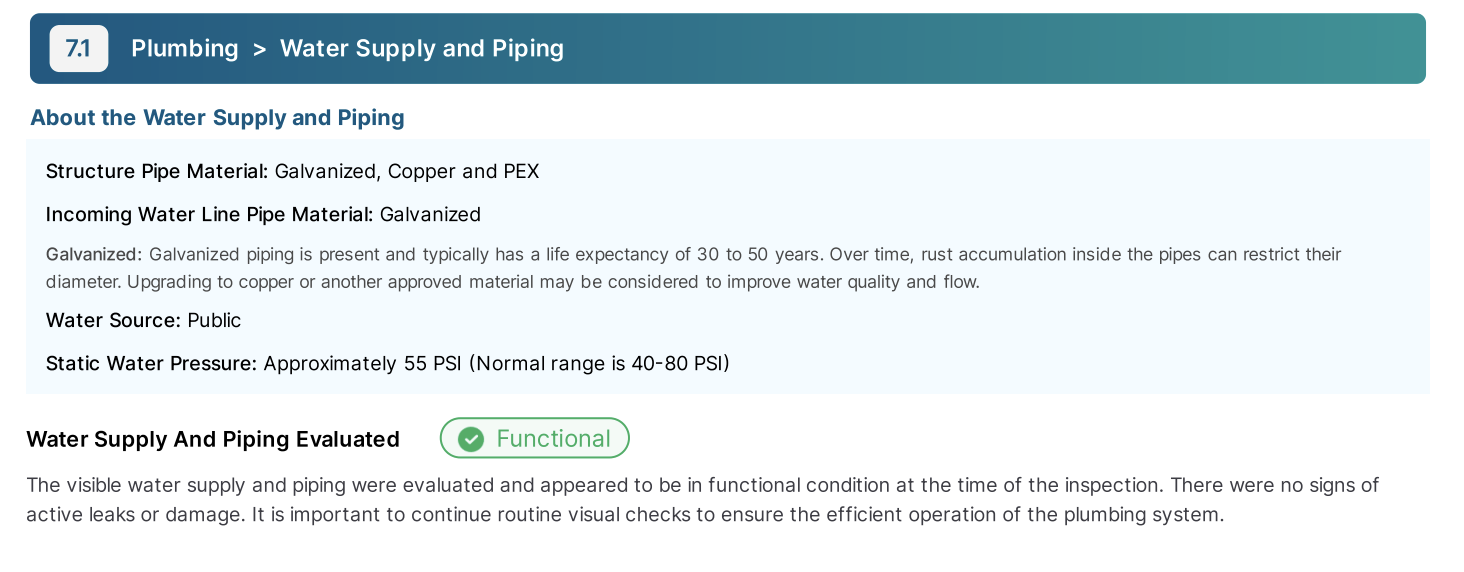
Read the fine print on any inspection report and you'll find language like this: "Inspection of the plumbing system is limited to visible faucets, fixtures, valves, drains, traps, exposed pipes and fittings. The hidden nature of piping prevents inspection of every pipe and joint."

That's the inspector telling you, in writing, that they can't see what's behind your walls. On a 1960s home with no plumbing permits on file, "can't see behind the walls" is where the real risk lives.
A week after moving in, two leaks hit simultaneously — one from the primary bathroom's wall-mounted toilet gasket, one from the kids' bathtub. They shared a wall. Both sides failed.
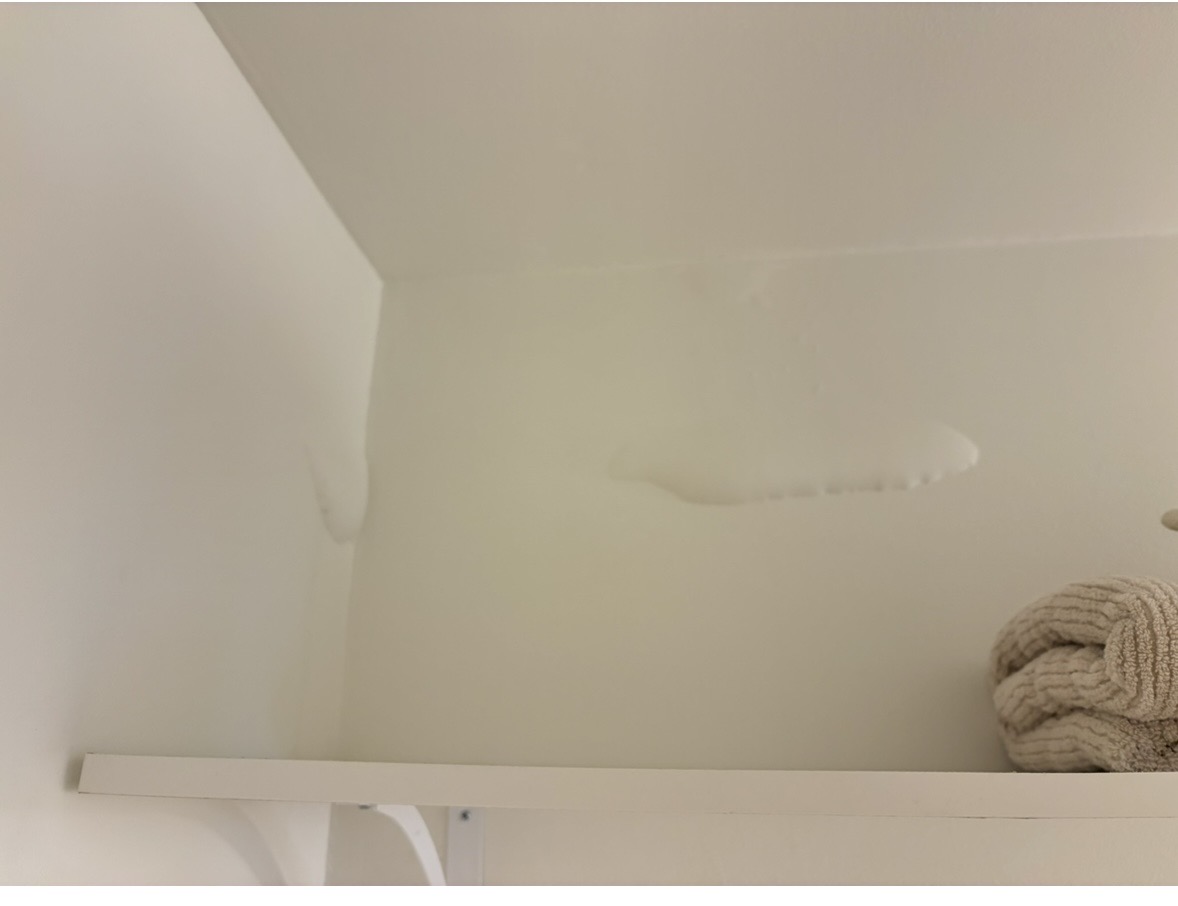
$200,000 in repairs. Only a portion covered by insurance.
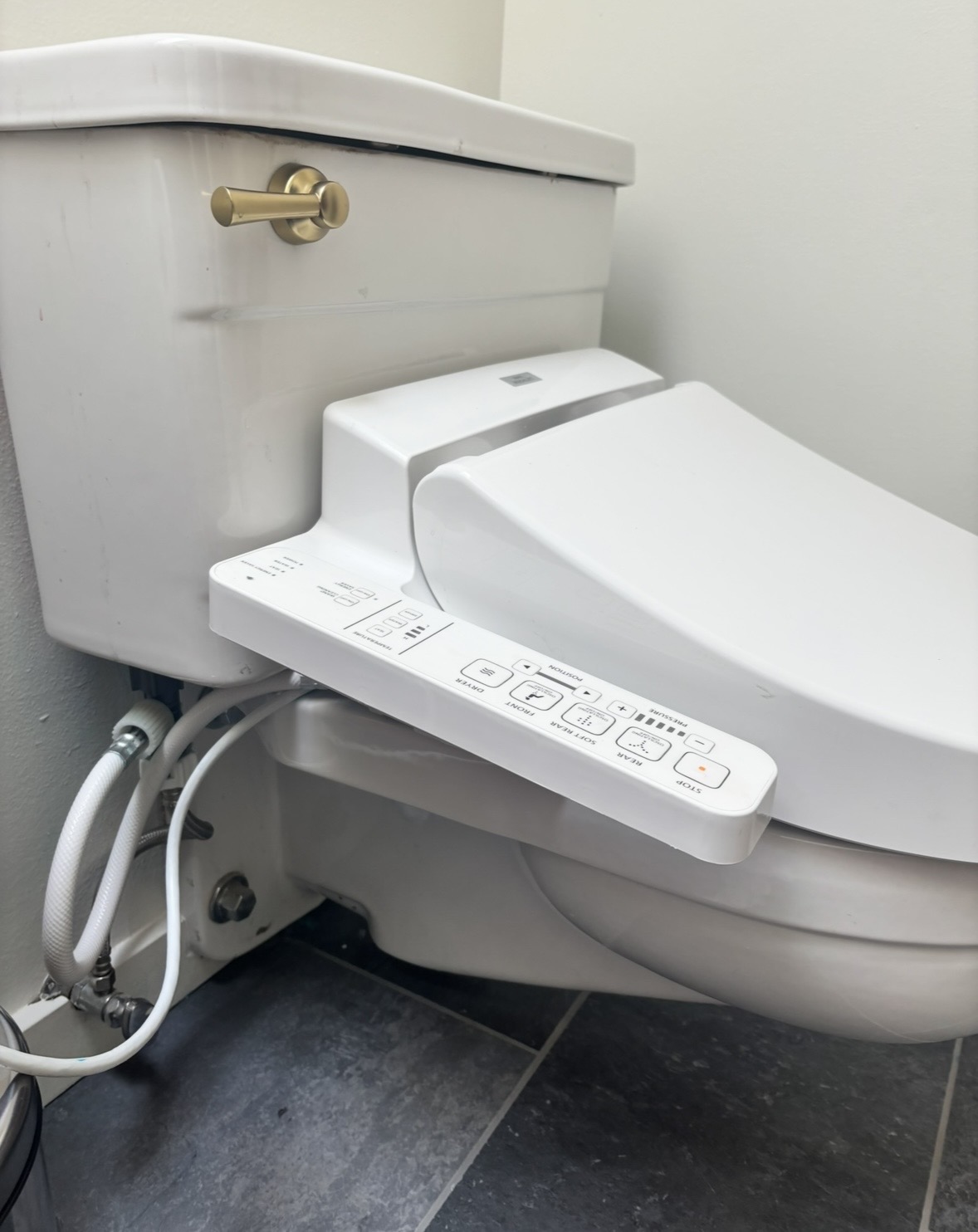
Here's the detail that still bothers me. The listing photos showed a wall-mounted toilet with a bidet seat installed over it — the kind of cosmetic touch that signals "upgrades." But underneath that bidet was original 1960s plumbing that hadn't been touched since the house was built.
King County's assessor page says the home was built in 1960. The city's permit database shows no plumbing permits on file. A 1960s home with galvanized pipe, no plumbing permits, and a period of sitting vacant on the market was a recipe for exactly what happened. Two public records would have told us to scope every pipe in that house before signing. We didn't check. Nobody told us to.
What public records actually reveal
Every county maintains dozens of databases that tell you things no walkthrough can:
- Assessor records — build year, square footage, improvements, tax history
- Permit history — what work was done, when, and whether it was finalized
- Environmental records — EPA Superfund sites, brownfields, underground storage tanks
- Geological hazards — landslide zones, liquefaction areas, flood plains
- Code violations — unresolved complaints, stop-work orders
Each one tells part of the story. Together, they paint a picture that three hours in an attic can't match.
Why nobody connects them
The data is public but scattered across dozens of agencies, each with its own portal, format, and query interface. You'd need to check King County GIS, Seattle SDCI, the EPA's ECHO database, FEMA flood maps, and WA DNR geology maps — all before your offer deadline.
And that's just the public records side. You also have access to the MLS listing, seller disclosures, and your inspection report. Cross-reference those against permit history and assessor data and patterns jump out — a "remodeled" kitchen with no permit on file, a "new roof" with no building permit to confirm it, a bidet installed over plumbing that should have been replaced decades ago. The triangulation is where the insights live. Nobody has time to do it manually.
The market gives you days to decide on a half-million-dollar purchase, and the agencies holding the most relevant data don't talk to each other. That's the structural problem.
What you can do right now
Before you make an offer:
- Check the build year against permit records. If the home predates 1970 and has no plumbing or electrical permits on file, you have original systems behind the walls. Scope accordingly.
- Look up your address on your county's GIS portal for geological hazard overlays.
- Search the EPA's Superfund and brownfield databases for nearby contamination.
- Review permit finalization — open permits mean uninspected work.
- Cross-reference the listing photos against the inspection report. Cosmetic upgrades without matching permits are a red flag, not a selling point.
Or let CaveatBuyer connect them for you. We check public records across land, house, and neighborhood in under 30 seconds — and surface the findings that matter most for your situation. Check any address at caveatbuyer.com.
Read next: Sewer line risks when you buy · Unpermitted work: what you are really risking